In today’s competitive business environment, brands are constantly searching for new ways to capture attention and create meaningful connections with customers. Traditional advertising methods are no longer enough to stand out in crowded retail streets, shopping malls, or event spaces. As a result, many companies are turning to experiential marketing— a strategy that focuses on creating memorable and interactive experiences for audiences.
One of the most innovative technologies supporting this shift is LED film. By transforming transparent glass surfaces into dynamic digital displays, LED film allows brands to communicate with customers in ways that are visually engaging, modern, and immersive.
This article explores how LED film is becoming a powerful tool in experiential marketing and how brands can use it to create unforgettable moments for their audiences.
Experiential marketing is a marketing strategy that focuses on engaging customers through real-life experiences rather than traditional advertisements. Instead of simply showing a product or message, brands create environments where customers can interact with the brand in a memorable way.
These experiences can include:
The goal of experiential marketing is to build emotional connections with customers, making the brand more memorable and increasing customer loyalty.
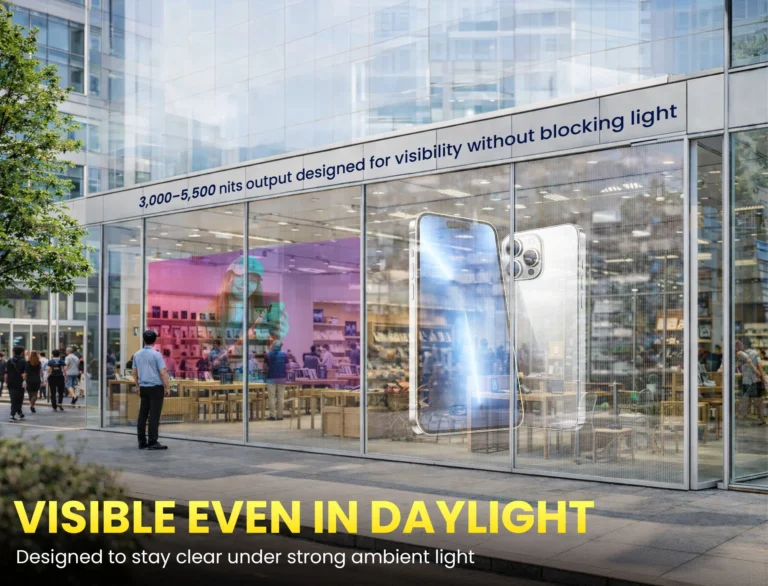
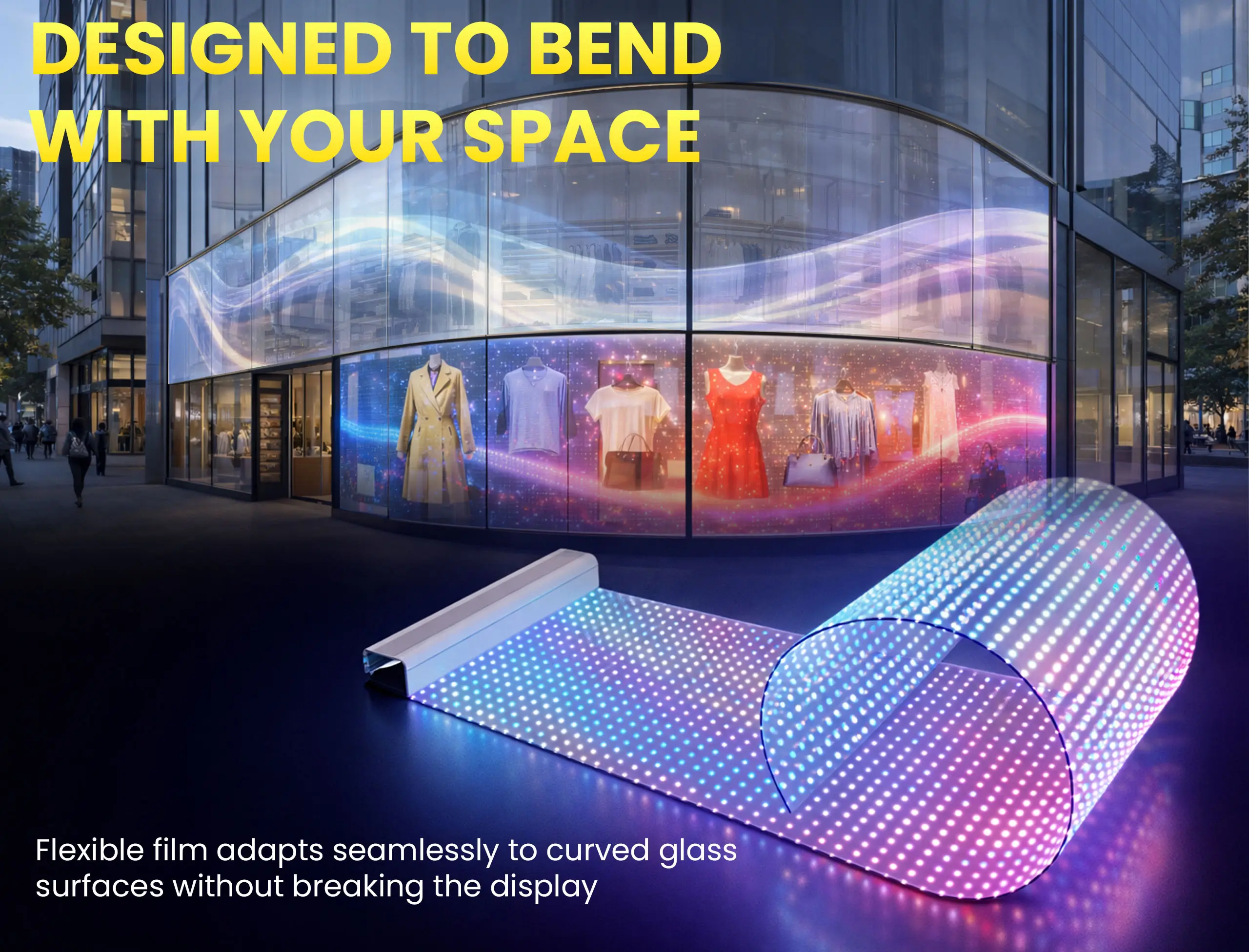
LED film is a transparent display technology that can be applied directly to glass surfaces such as windows, storefronts, glass walls, and partitions. Unlike traditional LED screens, LED film allows light to pass through while still displaying bright digital content.
This unique combination of transparency and digital display opens new possibilities for experiential marketing.
Brands can use LED film to:
Because LED film blends seamlessly with architectural glass, it enables brands to integrate digital media into physical spaces without disrupting the design of the environment.
Storefront windows are one of the most valuable communication spaces for retailers. However, many stores still rely on static displays that do little to capture attention.
LED film changes this by turning ordinary glass windows into dynamic digital canvases. Retailers can display motion graphics, product videos, or brand storytelling content that attracts people walking by.
For example, a fashion store can showcase runway videos directly on its storefront glass while still allowing customers to see the products inside the store. This combination of transparency and motion naturally draws curiosity and encourages people to enter the store.
Experiential marketing often focuses on storytelling. Brands want customers to feel part of a story rather than simply being exposed to an advertisement.
LED film makes it possible to turn physical spaces into storytelling platforms. By displaying animated visuals, brand messages, or thematic graphics on glass surfaces, companies can create immersive environments that communicate their brand identity.
For example, a technology brand launching a new product can use LED film to display futuristic animations on glass walls during an event. As guests move through the space, they experience the brand narrative visually and emotionally.
Product launches are designed to generate excitement and media attention. Visual impact plays a critical role in how these events are perceived.
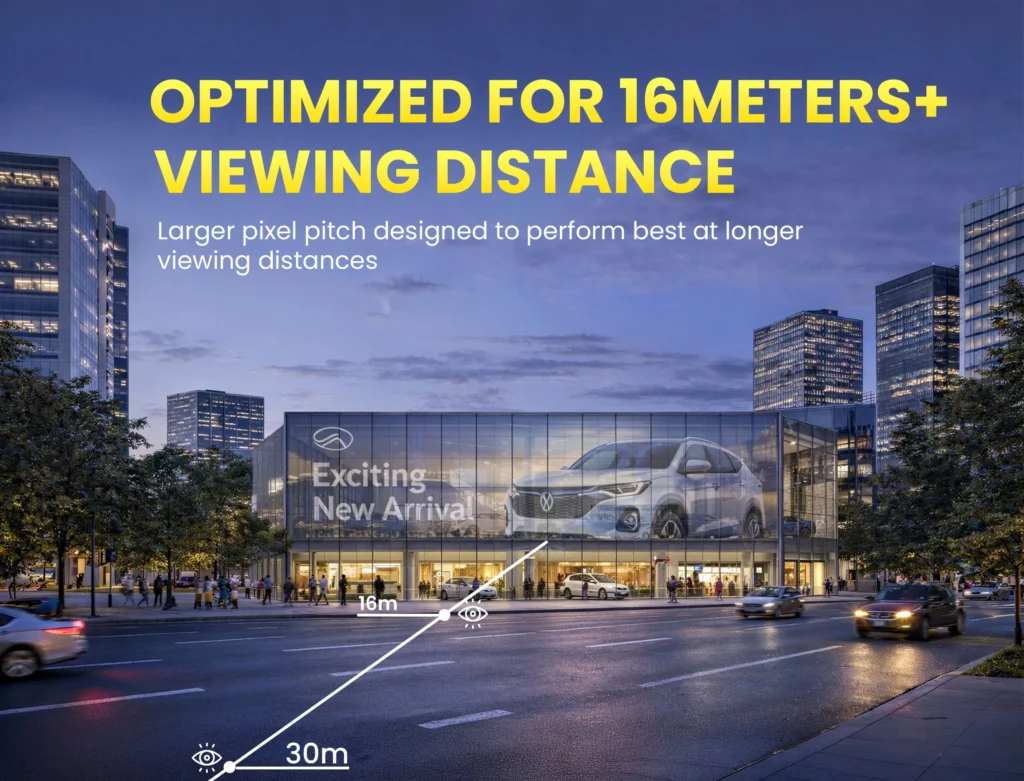
LED film allows brands to create dramatic reveal moments. For instance, a glass wall covered with LED film can display digital animations before gradually revealing the product behind the transparent surface.
This blend of digital storytelling and physical product presentation creates a powerful visual moment that audiences remember long after the event ends.
Experiential marketing is reshaping the relationship between brands and customers. Instead of simply delivering messages, companies are creating environments where people can experience the brand in a meaningful way.
LED film plays a key role in this transformation by turning transparent glass into dynamic digital media. From storefront displays to product launches and event spaces, this technology helps brands capture attention, tell compelling stories, and create memorable brand moments.
As experiential marketing continues to grow, LED film is likely to become an essential tool for brands looking to stand out in an increasingly competitive marketplace.