Why High-End Designers Are Obsessed with Smart Film Right Now
In the world of luxury architecture and interior design, trends are constantly evolving. High-end designers are always searching for materials and technologies that not only look stunning but also offer functionality, flexibility, and innovation. Recently, one technology has been gaining serious attention in this space: smart film.
From luxury residences to premium offices and high-end hotels, smart film is quickly becoming a go-to solution for designers who want to create modern, elegant, and adaptive environments. But what exactly is driving this growing obsession?
The Shift Toward Minimalism and Clean Design
One of the biggest reasons high-end designers are embracing smart film is the global shift toward minimalist design.
Luxury today is no longer about excess — it’s about simplicity, clean lines, and open spaces. Traditional solutions like curtains, blinds, or frosted glass often disrupt this aesthetic. They add visual clutter and break the seamless flow of a space.
Smart film, on the other hand, is almost invisible when turned off and perfectly integrated into glass surfaces. It allows designers to maintain a clean, uninterrupted look while still offering full privacy when needed.
This balance between simplicity and functionality is exactly what modern luxury design demands.
Instant Privacy Without Compromise
Privacy has always been a challenge in glass-heavy designs. Large glass walls and open layouts are visually stunning but can make spaces feel exposed.
Smart film solves this problem in the most elegant way possible: instant transformation.
With a simple switch, glass can go from fully transparent to completely opaque. No curtains, no blinds, no permanent design compromises.
For high-end designers, this is a game changer. It allows them to design bold, open spaces without worrying about sacrificing privacy.
Creating “Wow Effect” Interiors
Luxury design is not just about aesthetics — it’s about creating experiences.
Smart film introduces a subtle but powerful “wow effect”. Imagine walking into a room where glass walls suddenly turn opaque with a touch. Or a bathroom that transforms from open and airy to completely private in seconds.
These small but impactful moments elevate the user experience and leave a lasting impression.
That’s exactly what high-end designers aim for: spaces that don’t just look beautiful, but feel unforgettable.
Flexibility for Modern Living and Working
Today’s spaces need to be more flexible than ever. Homes are becoming hybrid environments where people live, work, and relax. Offices are shifting toward dynamic layouts that support collaboration and privacy.
Smart film perfectly supports this new way of living.
A single space can serve multiple purposes:
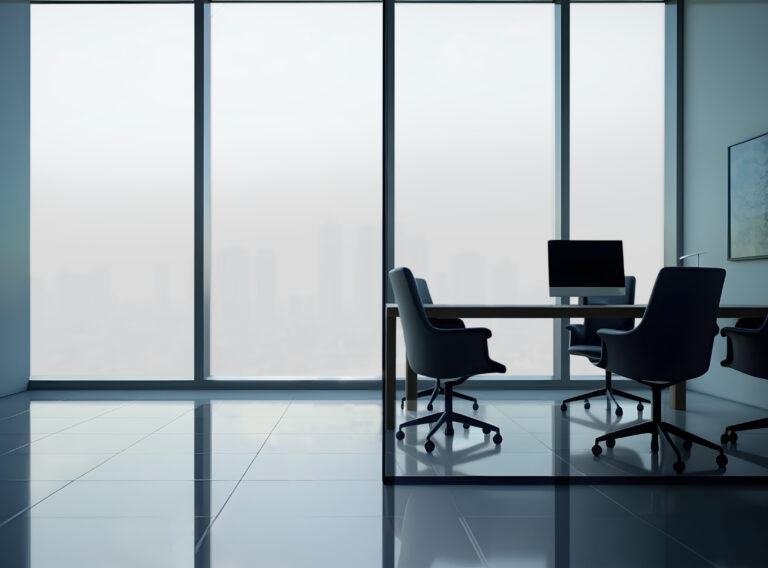
A meeting room can become private instantly
A living area can open up or close off when needed
A workspace can switch between focus and collaboration modes
Designers love this adaptability because it allows them to create multi-functional environments without adding physical barriers.
A Premium, Futuristic Aesthetic
Let’s be honest — smart film just looks expensive.
Its sleek, high-tech appearance immediately signals innovation and luxury. In high-end projects, perception matters. Clients want spaces that feel modern, exclusive, and forward-thinking.
Smart film delivers exactly that. It gives interiors a futuristic edge without being overwhelming.
That’s why it’s increasingly used in:
Luxury homes
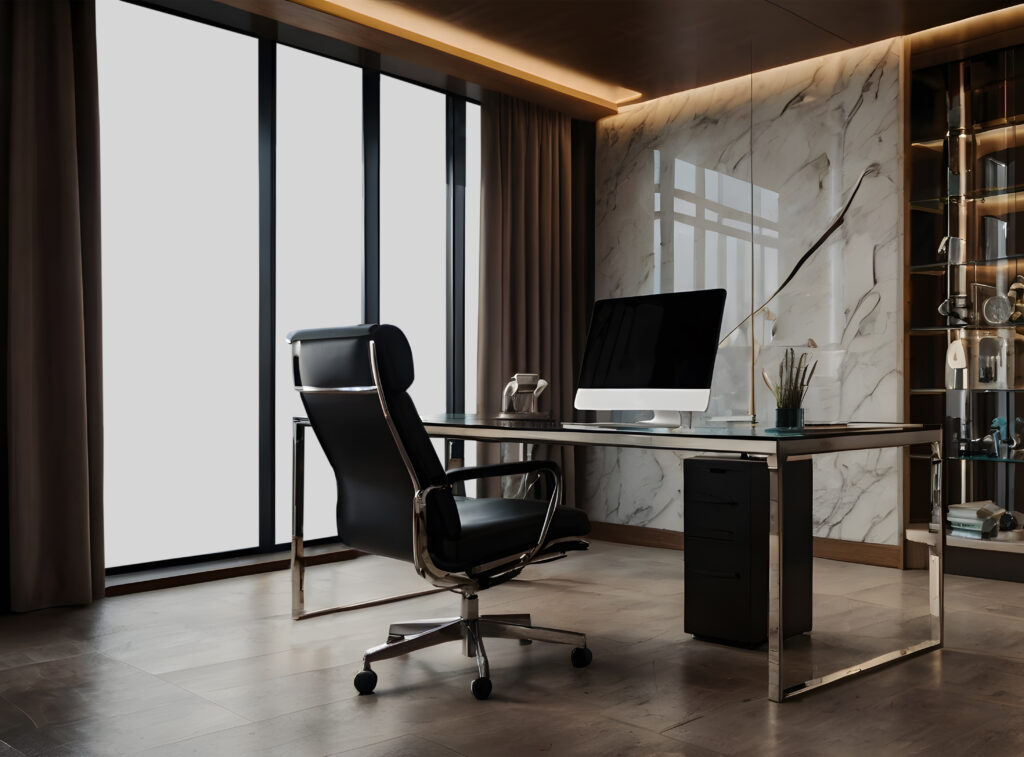
Executive offices
5-star hotels
High-end clinics
Designer showrooms
Seamless Integration with Smart Technology
Another reason designers are obsessed with smart film is its compatibility with smart systems.
It can be integrated with:
Smart home automation
Voice control systems
Mobile apps
Building management systems
This means users can control privacy with a tap, a schedule, or even voice commands.
For designers working on smart homes and intelligent buildings, this is a huge advantage. It aligns perfectly with the growing demand for fully connected living spaces.
The Future of Luxury Design
High-end design is moving toward spaces that are:
Adaptive
Technology-driven
Minimal yet functional
Experience-focused
Smart film sits exactly at the intersection of all these trends.
It’s not just a material — it’s a design tool that allows architects and designers to rethink how space works.
Conclusion
So, why are high-end designers obsessed with smart film right now?
Because it solves multiple problems at once:
It preserves minimalist aesthetics
It provides instant privacy
It enhances user experience
It adds a premium, modern feel
It supports flexible and smart living
In short, smart film allows designers to create spaces that are not only beautiful but also intelligent and adaptable.
As design continues to evolve, one thing is clear:
smart film is no longer a luxury extra — it’s becoming a design essential