Beyond Screens: Why LED Film Is Redefining Digital Experiences on Glass
Digital experiences have traditionally been confined to devices. Screens framed content and separated it from the physical environment. As architecture becomes more experiential, this separation is beginning to feel outdated.
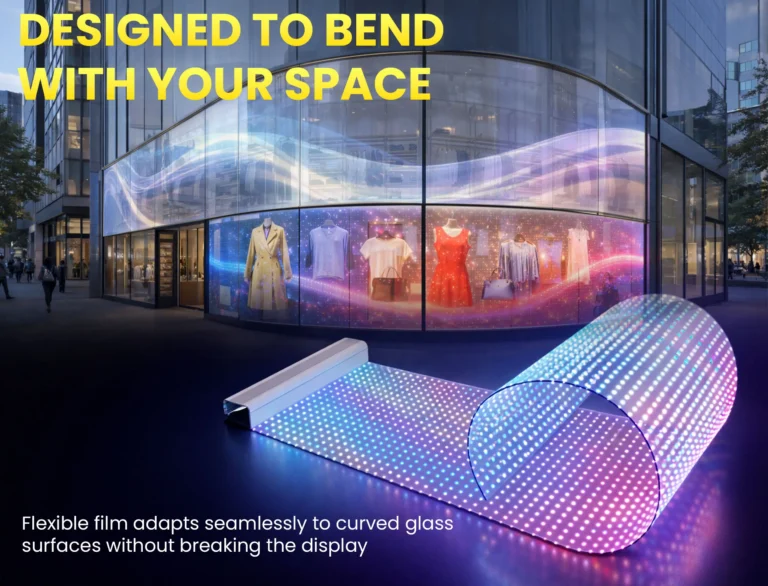
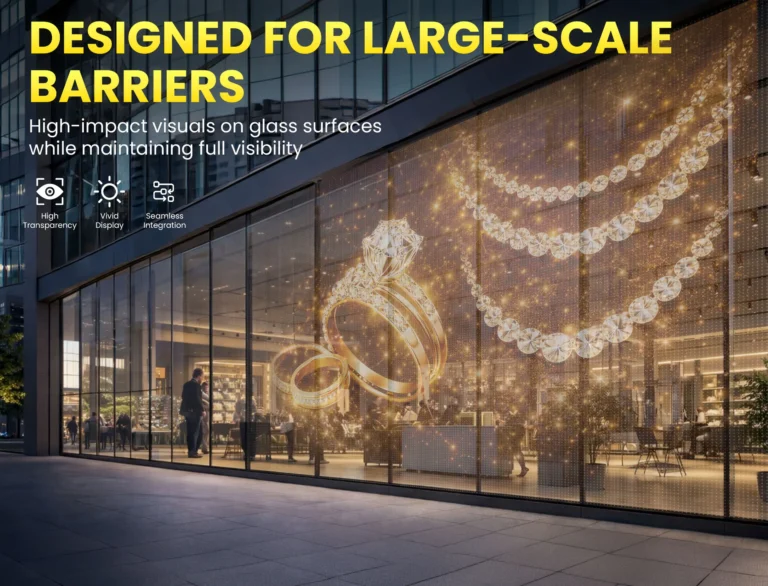
LED film represents a move beyond screens toward spatial digital experiences. By integrating display technology directly into glass, it removes the objecthood of the screen and replaces it with an architectural layer.
When Digital Becomes Spatial
A screen is something you look at. LED film creates something you exist within. Content no longer feels external—it becomes part of the environment itself.
This spatial quality changes how people engage with information. Digital content feels less like an interruption and more like an extension of the space, encouraging longer, more natural interaction.
Preserving Architectural Integrity
One of the biggest challenges in digital integration is maintaining architectural coherence. Large displays often disrupt symmetry, material continuity, and visual balance. LED film avoids this by working with existing glass surfaces rather than against them.
The result is a digital experience that respects architecture instead of overriding it. Buildings remain visually clean, even when actively communicating.
A More Human Digital Presence
As digital environments expand, there is growing demand for technology that feels human-centered rather than overwhelming. LED film supports this shift by allowing digital presence to be calm, contextual, and optional.
Information appears when needed and disappears when it is not. This flexibility creates environments that feel responsive rather than saturated.
Moving beyond screens is not about removing technology—it is about refining how it exists. LED film signals a future where digital experiences are architectural, immersive, and quietly powerful.