How Smart Film Improves Privacy Without Blocking Light
Modern spaces are designed to be open, bright, and visually connected. Yet privacy is still required—just not all the time. The real challenge is not creating privacy, but deciding when it should exist and when it should disappear.
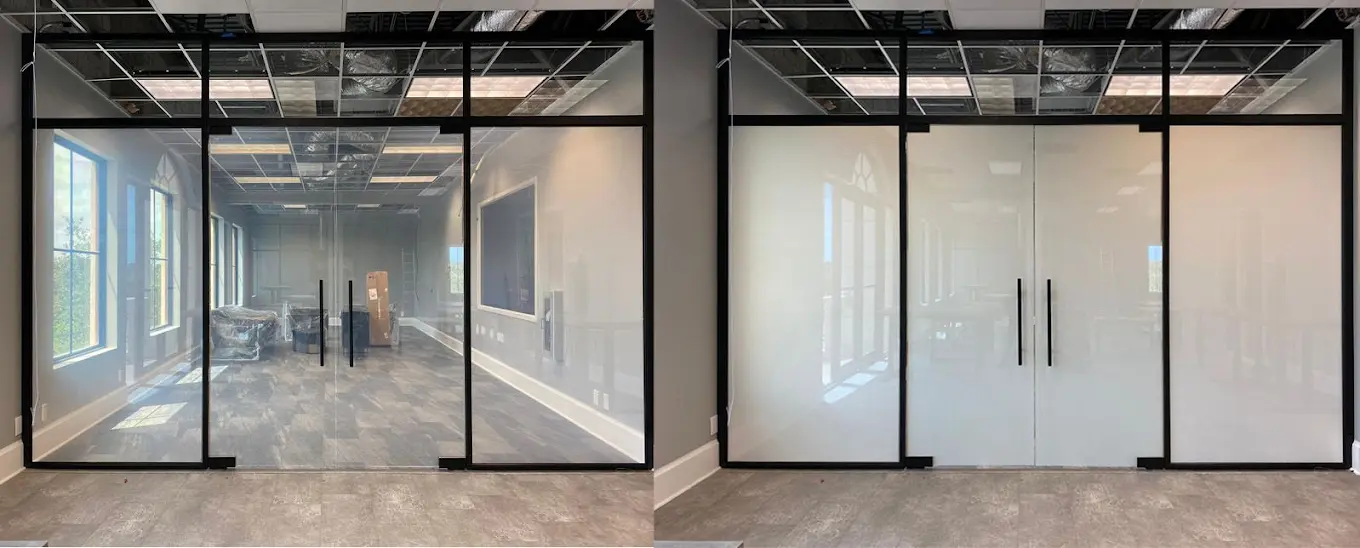
Smart Film fits into this reality because it treats privacy as a variable, not a permanent condition. It allows glass to remain part of the architecture while adapting to how the space is actually used throughout the day.
Privacy as a Temporary State, Not a Fixed Decision
In most environments, privacy is situational. A meeting lasts an hour. A consultation takes place behind closed doors. A residential space needs separation only at specific moments. Traditional solutions ignore this reality by making privacy static and constant.
Smart Film changes the logic. Instead of designing spaces around worst-case privacy scenarios, it allows privacy to appear only when it is genuinely needed. This reduces visual heaviness and keeps spaces aligned with their original architectural intent.
Why Light Is Part of the Privacy Conversation
Blocking visibility should not mean removing daylight. In many buildings, natural light is not just an aesthetic preference—it defines comfort, productivity, and spatial quality. When privacy solutions eliminate light, they solve one problem by creating another.
Smart Film preserves light as an active design element. Even in privacy mode, spaces remain bright and usable. This makes it possible to protect confidentiality without changing how a room feels, functions, or performs over time.
Smarter Space Planning Without Extra Materials
Permanent walls, layered glass, and mechanical shading systems often exist only to manage visibility. Smart Film reduces the need for these elements by allowing a single surface to serve multiple purposes.
For designers and planners, this creates flexibility. A space can remain open and connected by default, then shift instantly when privacy becomes relevant. The result is cleaner layouts, fewer materials, and more adaptable environments.
When Simplicity Becomes the Advantage
Smart Film works best when it is almost unnoticed. There are no fabrics, no moving parts, and no visual interruptions. The glass remains glass—only its behavior changes.
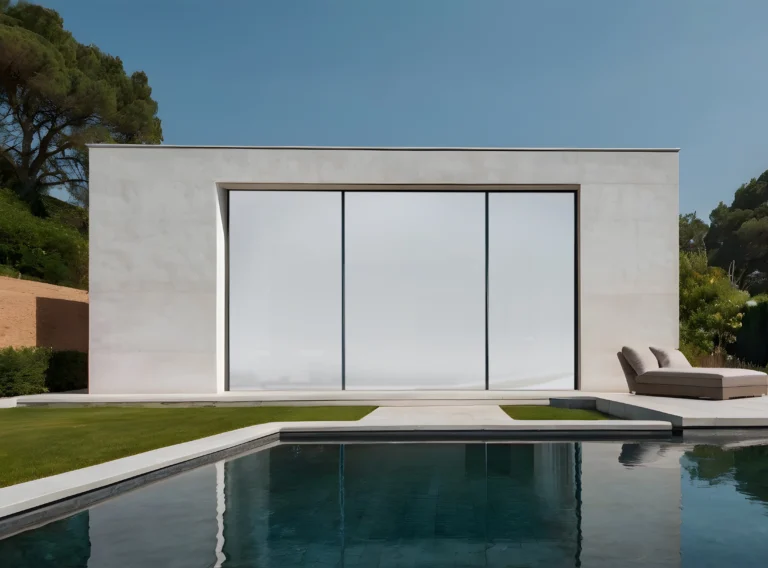
This simplicity is what makes Smart Film valuable in the long term. It supports privacy without redefining the space around it, allowing architecture to remain light, modern, and intentional.