Transparent LED Film as a Tool for Experiential Retail: Turning Windows into Interactive Storytelling Spaces
In the age of e-commerce dominance, brick-and-mortar retail faces a critical challenge: how to stay relevant, attract customers, and create memorable experiences that cannot be replicated online. The answer for many forward-thinking retailers lies in experiential design—transforming physical stores into immersive brand environments. One of the most exciting tools enabling this shift is transparent LED film, a technology that turns ordinary glass surfaces into interactive storytelling spaces.
Beyond Traditional Displays: The New Role of Storefronts
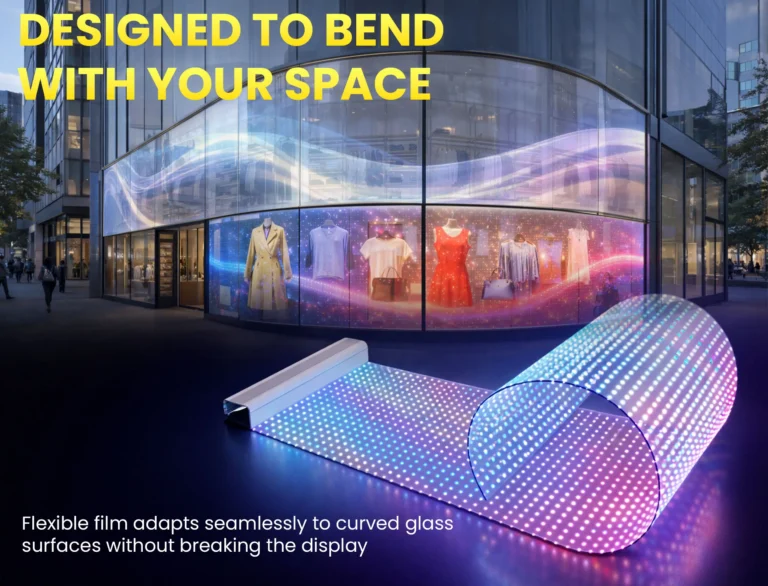
Traditionally, storefront windows served as static displays—showcasing mannequins, seasonal décor, and product highlights. While effective, these displays were limited in how they engaged passersby. Transparent LED film changes the game by layering digital storytelling directly onto the glass itself.
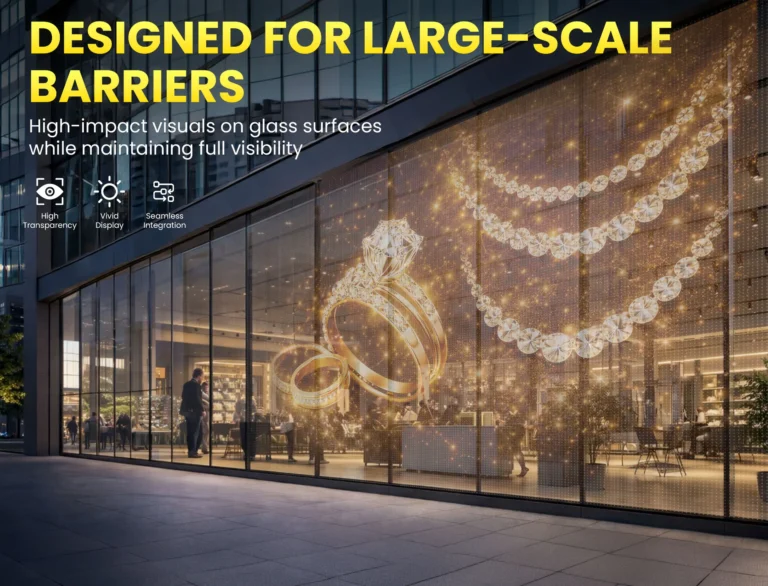
When activated, the film can display animated content, promotional videos, or real-time campaigns. Yet, because of its transparency, the underlying products and store interiors remain visible, blending the physical and digital worlds in a seamless way.
This fusion of physical merchandise with dynamic digital content creates a more captivating, flexible, and interactive customer journey from the very first glance.
Creating Immersive Brand Storytelling
Today’s consumers—especially younger, digitally native generations—are less influenced by static advertising. They crave experiences that are visually compelling, interactive, and emotionally engaging.
Transparent LED film empowers brands to:
Tell evolving stories by syncing visual content with product launches, holidays, or cultural moments.
Build emotional connections by showcasing brand values and lifestyle imagery, not just products.
Engage curiosity through motion graphics that draw passersby closer to explore the store.
For example, a sportswear brand could use LED film to project athletes in motion across its storefront while keeping the actual merchandise visible behind the screen—bridging aspiration and reality in a single glance.
Real-Time Adaptability: A Retail Superpower
One of the key advantages of transparent LED film is flexibility. Unlike traditional printed displays, digital content can be updated instantly and remotely. This means:
Retailers can respond to market trends or social media moments in real-time.
Stores can align with localized events or campaigns without costly reprints.
Global brands can coordinate unified campaigns while tailoring local variations across different cities.
This adaptability not only reduces operational costs but also ensures that physical stores stay as dynamic and responsive as their digital counterparts.
Enhancing Customer Engagement Inside the Store
Transparent LED film isn’t limited to storefronts. Inside retail spaces, it can transform glass partitions, fitting rooms, and product displays into interactive experiences. For example:
A fitting room mirror could double as a transparent display showcasing styling tips.
Product showcases could overlay digital storytelling about sustainability, craftsmanship, or brand heritage.
In luxury retail, LED film could enable private client experiences by revealing exclusive content visible only at specific times.
Such applications transform shopping from a transaction into an immersive journey, deepening brand loyalty.
Future Trends: From Smart Stores to Phygital Experiences
As retail continues to merge physical and digital worlds (so-called “phygital” experiences), transparent LED film is set to play a central role. Integration with IoT sensors, AR, and AI-driven personalization could mean that storefront content dynamically adapts based on weather, foot traffic, or even individual customer profiles.
Imagine walking past a store and seeing content that reflects your interests, previously browsed products, or localized promotions—without losing the transparency and openness that makes physical retail inviting.
Conclusion
Transparent LED film is more than just a new display technology—it is a storytelling platform that helps retailers bridge the gap between digital engagement and physical presence. By turning glass windows into dynamic canvases, it enables brands to captivate attention, deliver immersive experiences, and stay relevant in an era where customer expectations are higher than ever.
In experiential retail, every square inch of space matters. With transparent LED film, even the glass becomes part of the story—transforming storefronts from static barriers into interactive gateways of brand identity and customer connection.