In the world of digital displays, technology is evolving faster than ever. Businesses, architects, and advertisers are constantly looking for innovative ways to communicate visually without compromising design, space, or functionality. Two of the most commonly compared technologies today are Transparent LED Film and traditional LED screens.
Although they may appear similar at first glance, these two solutions are fundamentally different in terms of structure, application, aesthetics, and user experience. In this article, we’ll explore the key differences between Transparent LED Film and conventional LED screens — and help you decide which solution is right for your project.
A traditional LED screen is a solid digital display composed of LED modules mounted on cabinets or panels. These screens are commonly used for:
LED screens are known for their high brightness, vivid colors, and strong visibility even in direct sunlight. However, they are opaque, meaning they completely block whatever is behind them.
Key Characteristics of LED Screens
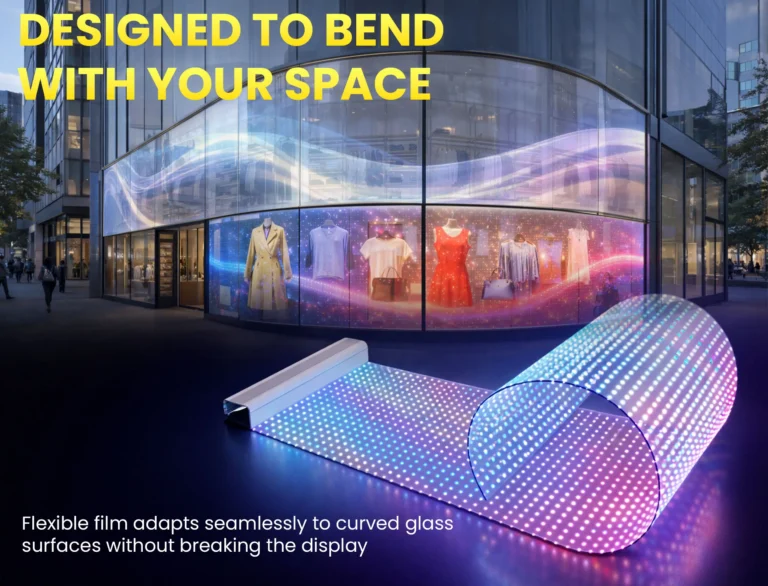
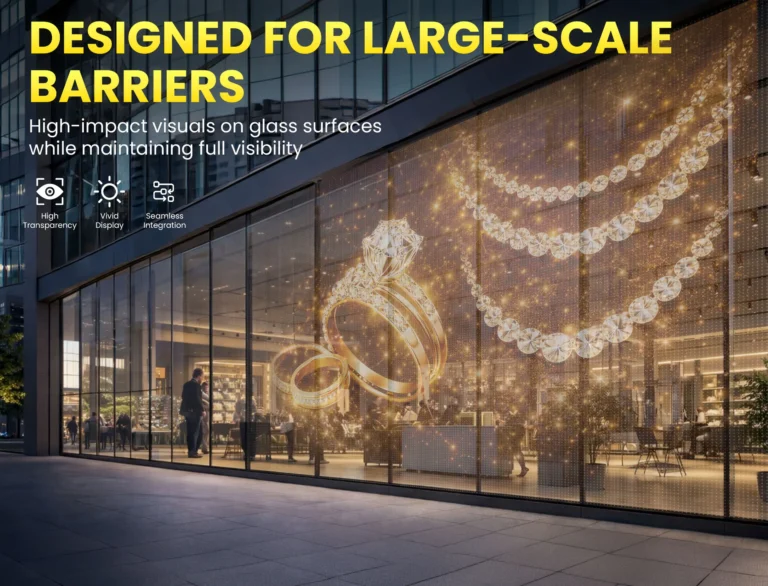
Transparent LED Film is a next-generation display technology designed to be applied directly onto glass surfaces. Unlike traditional LED screens, this film allows light to pass through, preserving transparency while displaying dynamic digital content.
Transparent LED Film is widely used in:
With its sleek, minimal design, Transparent LED Film integrates seamlessly into modern architecture without altering the original structure.
Key Characteristics of Transparent LED Film
1. Transparency and Aesthetics
The most obvious difference is transparency.
This makes Transparent LED Film ideal for environments where design, openness, and light are important — such as retail storefronts or corporate offices.
2. Installation Method
Installation is another major differentiator.
This means faster installation, less disruption, and lower construction costs when using Transparent LED Film.
3. Weight and Structural Load
Traditional LED screens are heavy and often require load-bearing support.
Transparent LED Film, on the other hand:
This makes it especially attractive for high-rise buildings and glass façades.
4. Use of Space
LED screens occupy physical space and often become the dominant visual element.
Transparent LED Film:
For premium commercial spaces, this is a significant advantage.
5. Brightness and Visibility
LED screens typically offer higher brightness levels, especially for outdoor use.
However, modern Transparent LED Film solutions — such as those offered by VR Smart Glass — are engineered to deliver excellent visibility while maintaining transparency, making them ideal for indoor and semi-outdoor applications.
6. Application Scenarios
Choose LED Screens if:
Choose Transparent LED Film if:
7. Energy Efficiency
Transparent LED Film generally consumes less power than large LED screens due to:
This results in lower operational costs over time.
The decision ultimately depends on your goals.
If your priority is maximum visual impact in open outdoor environments, a traditional LED screen may be the right choice.
But if you’re looking for a cutting-edge, design-friendly, space-saving solution that blends digital content with architecture, Transparent LED Film is the clear winner.
Transparent LED Film is not a replacement for traditional LED screens — it’s an evolution. It opens new possibilities for businesses that want to communicate visually without sacrificing light, space, or aesthetics.
As digital signage continues to evolve, Transparent LED Film is quickly becoming the preferred choice for modern commercial environments.
If you’re exploring innovative display solutions, understanding the difference between these technologies is the first step toward making the right investment.