The spaces we spend time in shape the way we think, feel, communicate, and interact. From offices and hospitals to luxury hotels and modern homes, interior environments silently affect human behavior every day.
Lighting, openness, privacy, transparency, and atmosphere all contribute to how comfortable and connected people feel within a space. As architecture becomes increasingly experience-driven, technology is no longer only about functionality—it is about creating environments that adapt to human needs.
This is where smart film technology is transforming modern design.
Far beyond being a privacy solution, smart film has become a powerful architectural tool capable of influencing mood, focus, comfort, collaboration, and overall spatial experience.
Unlike traditional smart film, which focuses mainly on transparency and opacity, black smart film introduces a bold, dramatic aesthetic that transforms the entire mood of a space. It doesn’t just hide — it defines.
Human psychology is deeply connected to environmental design. Research in architecture and interior design consistently shows that people respond emotionally and behaviorally to the spaces around them.
Open environments can encourage communication. Calm visual atmospheres can improve concentration. Flexible spaces can create a greater sense of comfort and control.
Today, businesses and designers are no longer designing spaces only to look beautiful—they are designing spaces to create experiences.
Smart film plays an important role in this transformation because it allows spaces to adapt instantly based on changing needs and human interaction.
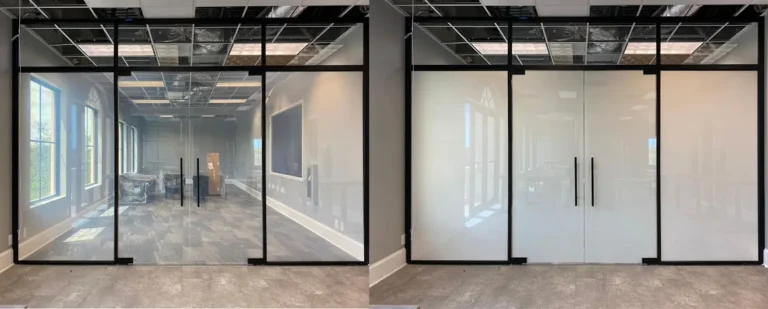
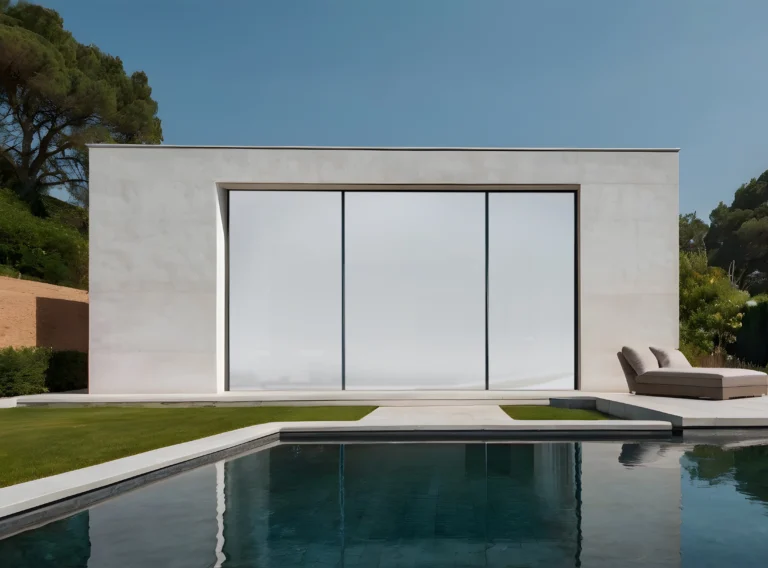
Traditional glass creates a fixed environment. Smart film introduces flexibility into architecture by allowing glass surfaces to shift between transparent and opaque states within seconds.
This creates a completely new relationship between people and space.
Instead of static environments, smart film enables:
The result is an environment that feels more responsive, intelligent, and human-centered.
Privacy has a major psychological impact on comfort and confidence inside a space.
In offices, meeting rooms, clinics, hotels, and residential environments, people naturally feel more relaxed when they have control over their level of privacy.
Smart film makes this possible instantly.
With a simple switch, open glass surfaces can become private without sacrificing natural light or modern aesthetics. This ability to control visibility creates a stronger sense of personal comfort while maintaining the elegance of open architectural design.
Rather than separating people with heavy walls or curtains, smart film creates a softer and more sophisticated transition between openness and privacy.
Visual distractions affect concentration more than many people realize.
In modern workspaces especially, balancing openness with focus has become one of the biggest design challenges. Smart film helps solve this by creating adaptable environments that support different activities throughout the day.
For example:
This flexibility creates environments that naturally support productivity without making spaces feel restrictive.
People do not only remember how a space looked—they remember how it felt.
Modern architecture increasingly focuses on emotional design, where atmosphere becomes just as important as functionality.
Smart film contributes to this by creating spaces that feel:
The smooth transformation from transparent to private adds a sense of innovation and sophistication that enhances the entire user experience.
In luxury hospitality environments especially, this technology creates memorable interactions that leave lasting impressions on guests and visitors.
Healthcare design has evolved significantly in recent years. Hospitals and clinics now prioritize patient experience alongside medical functionality.
Smart film supports this evolution beautifully.
Instead of traditional blinds or curtains, healthcare environments can use smart film to create clean, modern, and comforting spaces while still maintaining patient privacy.
The technology also helps create environments that feel more open, less stressful, and more welcoming—an important factor in improving overall patient comfort and satisfaction.
The future of office design is no longer based on fixed layouts.
Modern companies want spaces that support collaboration, creativity, flexibility, and employee well-being simultaneously.
Smart film aligns perfectly with these goals because it allows offices to adapt in real time.
Meeting rooms can become private instantly. Open collaborative spaces can maintain transparency while still offering visual flexibility when needed.
This creates workplaces that feel modern, intelligent, and employee-focused.
In residential design, personalization has become one of the most valuable aspects of modern living.
Homeowners increasingly want spaces that adapt to their lifestyle rather than forcing them into fixed environments.
Smart film allows residents to transform spaces instantly while maintaining minimalist and elegant interiors.
From bathrooms and bedrooms to home offices and living areas, the technology introduces a new level of flexibility and comfort that enhances everyday life.
Architecture is moving toward environments that are responsive, adaptive, and experience-oriented.
Future spaces will not simply be places we occupy. They will actively respond to how we live, work, communicate, and feel.
Smart film represents this evolution perfectly.
By combining technology, design, flexibility, and emotional comfort, it helps create spaces that feel smarter, more elegant, and more connected to human behavior.
Can smart film change human behavior inside a space?
In many ways, it already is.
By improving comfort, supporting focus, enhancing privacy, and creating more adaptive environments, smart film transforms the relationship between people and the spaces around them.
It is no longer just about glass.
It is about creating experiences that feel more natural, flexible, and human-centered than ever before.