Architecture has always been a balance between aesthetics, functionality, and innovation. As buildings become more technologically advanced, architects are constantly searching for materials that allow them to design flexible, modern, and visually striking spaces. One of the most transformative technologies supporting this evolution is smart film.
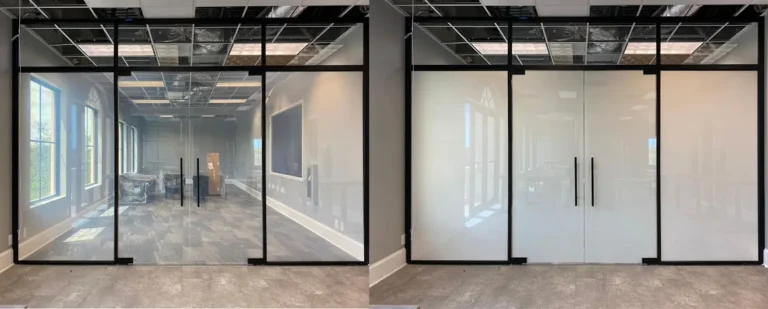
Smart film is a switchable technology that can be applied directly onto glass surfaces. With the application of electrical current, the film can instantly switch from transparent to opaque, offering dynamic control over privacy and light. This unique ability allows architects and designers to rethink how glass can be used in modern architecture.
More than just a privacy solution, smart film is becoming a powerful design tool that expands architectural creativity and enables entirely new spatial experiences.
Traditional architectural design often requires compromises. For example, designers must choose between transparency and privacy when using glass walls or large windows. Curtains, blinds, or frosted glass are commonly used to solve this problem, but these solutions can limit design flexibility and disrupt the visual harmony of a space.
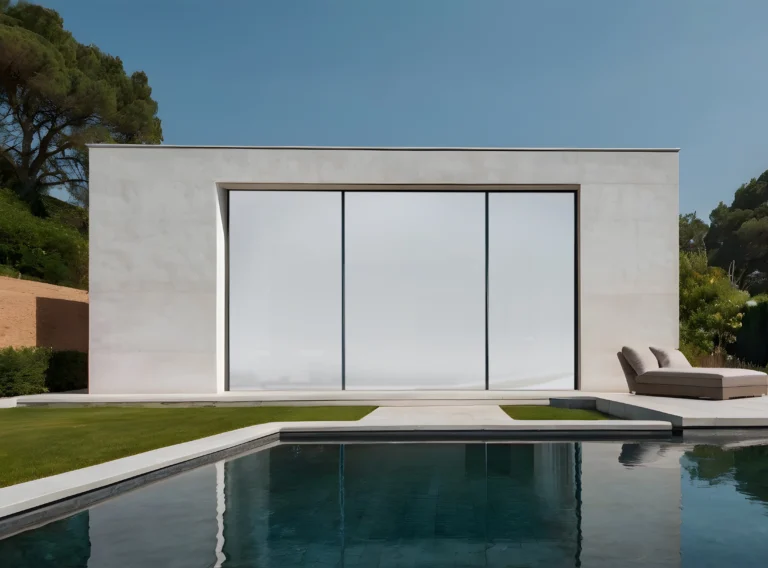
Smart film eliminates this limitation. With a simple switch, a transparent glass wall can instantly become opaque, providing privacy without adding physical barriers or altering the architectural aesthetic.
This ability gives architects much greater freedom when designing open, light-filled spaces while still maintaining privacy when needed.
Minimalism is a dominant trend in contemporary architecture and interior design. Clean lines, open spaces, and unobstructed views define modern aesthetics.
However, traditional privacy solutions such as curtains or blinds often conflict with minimalist design principles. They introduce visual clutter and disrupt the clean appearance of glass architecture.
Smart film preserves the minimalist look by eliminating the need for additional window coverings. Since the film is applied directly to the glass, it remains almost invisible when transparent and seamlessly integrated into the design when activated.
This makes it an ideal solution for architects who want to maintain simplicity while still providing functional privacy.
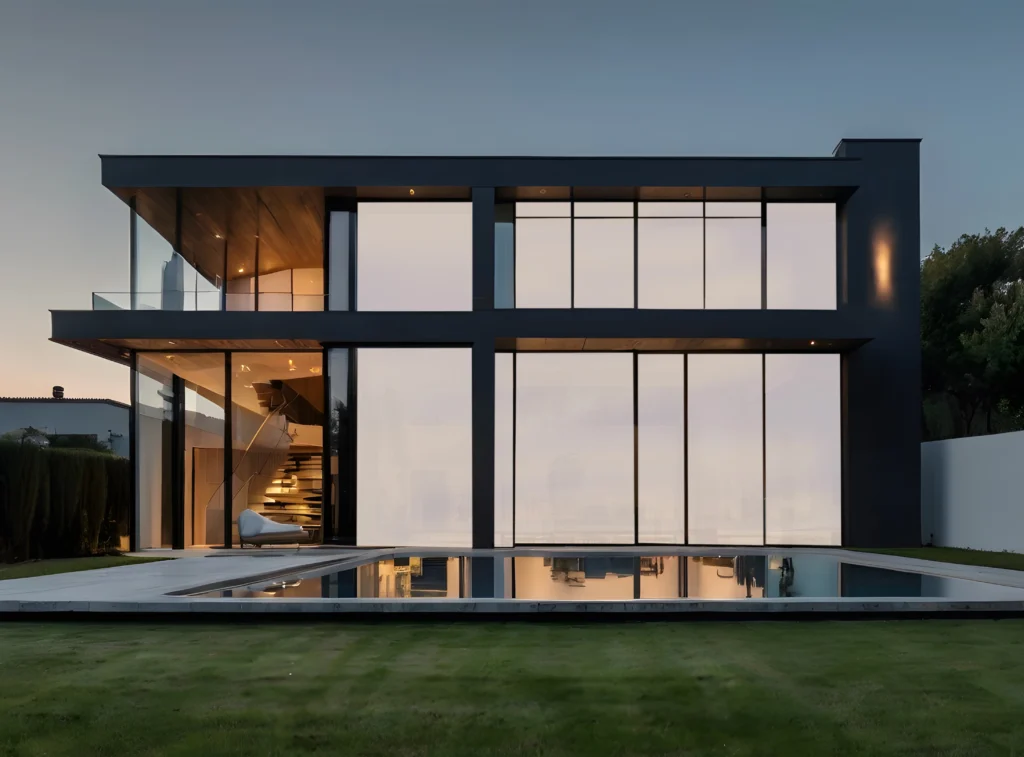
Glass has become one of the most important materials in modern architecture. From skyscrapers to luxury homes, large glass surfaces create a sense of openness, natural light, and visual connection with the surrounding environment.
Smart film expands the creative possibilities of glass by transforming it into an interactive architectural element. Instead of being a static material, glass surfaces can dynamically change based on the needs of the space.
Designers can use smart film on:
These applications allow architects to design spaces that are both visually stunning and highly functional.
Smart buildings increasingly incorporate advanced technologies that improve comfort, energy efficiency, and user experience. Smart film fits perfectly within this technological ecosystem.
The film can be integrated with smart home systems, automation platforms, or remote control devices. This allows users to control privacy levels with wall switches, mobile apps, or automated building management systems.
For architects, this integration represents a shift toward technology-driven design, where materials respond dynamically to human needs.
Sustainability is a key priority in contemporary architecture. Smart film contributes to energy efficiency by helping regulate light and heat entering a building.
When activated, the film can reduce glare and limit solar heat gain, which helps lower cooling costs in buildings with large glass surfaces. This makes smart film a practical solution for environmentally conscious architectural projects.
By combining aesthetic value with energy-saving benefits, smart film aligns with the growing demand for sustainable building materials.
As architecture continues to evolve, the boundaries between technology and design are becoming increasingly blurred. Materials are no longer passive components of buildings; they are becoming interactive systems that adapt to human needs.
Smart film represents this new generation of architectural materials. By transforming glass into a dynamic and responsive surface, it allows architects to create spaces that are flexible, elegant, and technologically advanced.
Smart film is redefining the role of glass in architecture. Instead of forcing designers to choose between transparency and privacy, it offers both in a single adaptable solution.
By expanding creative possibilities, supporting minimalist design, and enabling flexible spaces, smart film empowers architects to design without limits.
As technology continues to influence the built environment, smart film will play an increasingly important role in shaping the future of innovative architecture.