In modern interior design, space is no longer defined solely by physical boundaries. Designers, architects, and brands are increasingly looking for ways to expand, reshape, and enhance environments—without structural changes. This is where LED film technology introduces a powerful shift.
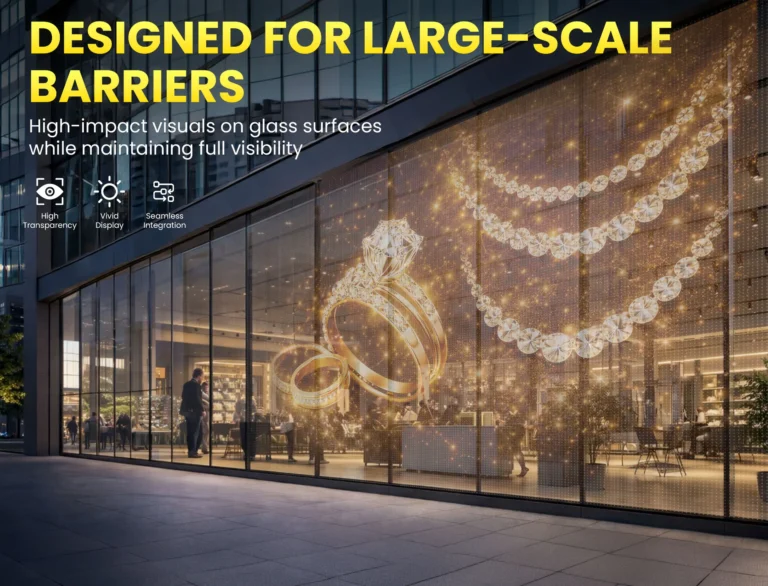
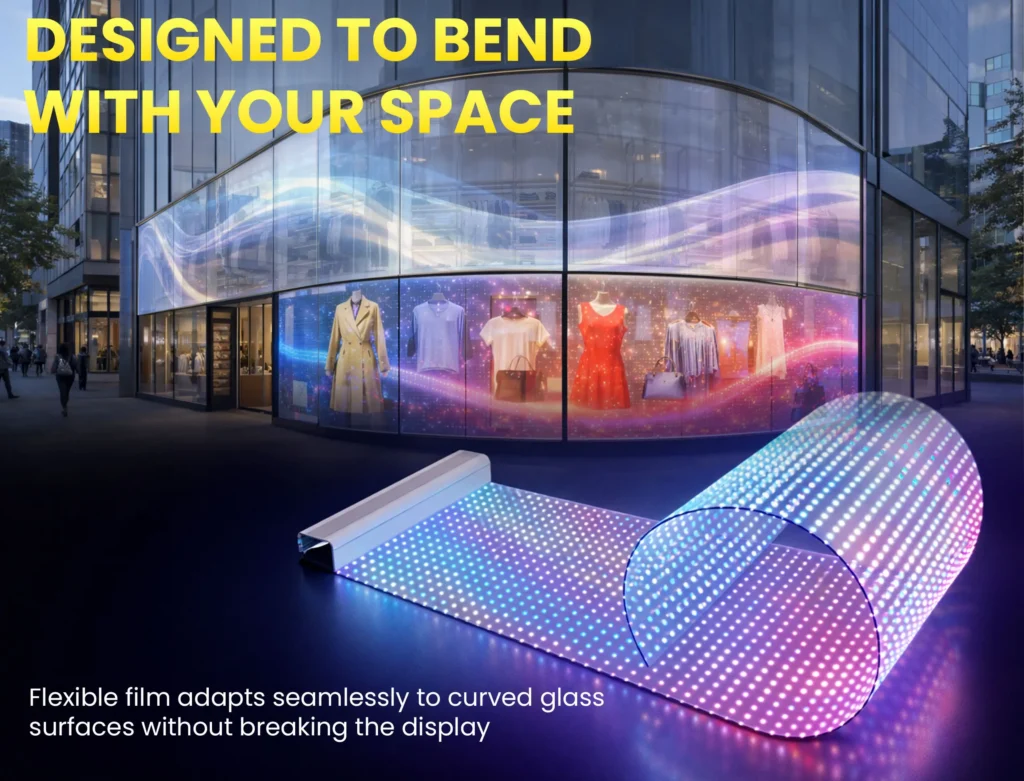
Rather than adding bulk or visual clutter, LED film integrates seamlessly into glass surfaces, enabling spaces to feel larger, more dynamic, and more interactive. It doesn’t just decorate a space—it changes how that space is perceived.
Spatial perception refers to how individuals experience the size, depth, and atmosphere of a space. It is influenced by:
Traditionally, designers used mirrors, lighting tricks, and minimalism to manipulate perception. Today, LED film takes this concept further by introducing dynamic, controllable visuals directly onto transparent surfaces.
1. Transparency Without Visual Interruption
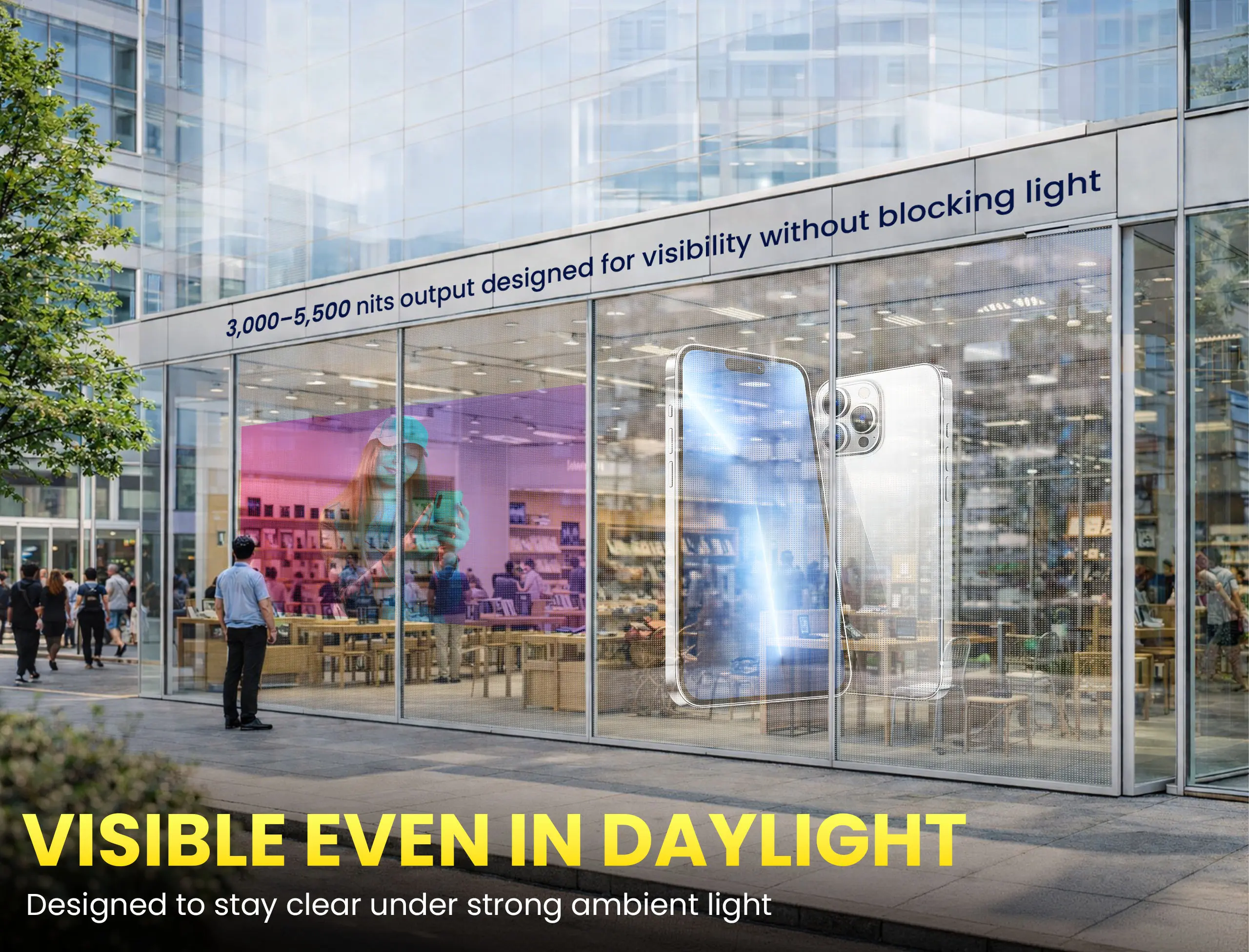
Unlike conventional screens, LED film maintains the transparency of glass. This means:
This transparency is crucial in smaller interiors, where maintaining openness directly impacts comfort and usability.
2. Dynamic Depth Through Motion
Static environments often feel limited. LED film changes this by adding motion and depth:
For example, subtle motion graphics can simulate outdoor environments or extended architectural features, making interiors feel significantly larger.
3. Layered Visual Experiences
LED film allows designers to create multiple visual layers within a single surface:
This layering effect tricks the brain into perceiving greater depth, similar to how panoramic visuals work in cinema.
4. Light Manipulation and Ambience Control
Lighting plays a key role in how we perceive space. LED film enhances this by:
As a result, spaces can shift from intimate to expansive depending on the desired mood.
Retail Spaces
In retail, perception directly impacts customer behavior. LED film can:
This creates a premium, futuristic shopping experience.
Offices and Workspaces
Modern offices aim for openness without sacrificing functionality. LED film helps by:
It supports both collaboration and focus—without physically altering the layout.
Hospitality and Luxury Interiors
Hotels, restaurants, and lounges benefit significantly from visual transformation:
LED film becomes part of the experience, not just the decor.
Residential Design
In homes, especially urban apartments, space is often limited. LED film offers:
It allows homeowners to personalize their environment in ways that were previously impossible.
The Psychological Impact of Expanded Space
Perception is not just visual—it’s emotional. Environments that feel larger and more open can:
By subtly altering how space is experienced, LED film contributes to well-being as much as aesthetics.
LED film is not just a visual upgrade—it’s a strategic design tool. It bridges the gap between:
As interiors continue to evolve toward smarter, more adaptive environments, LED film stands out as a key technology shaping the future.
The true power of LED film lies in its ability to redefine what space feels like—without changing what space actually is.
By combining transparency, motion, and intelligent design, it enables interiors to become fluid, adaptive, and visually expansive. In a world where space is increasingly valuable, the ability to create the illusion of more—without building more—is not just innovative. It’s essential.