Beyond Privacy: How Smart Film Enhances Wellness and Mental Focus
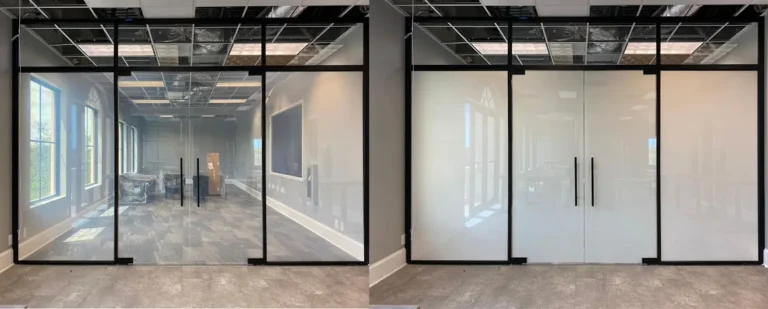
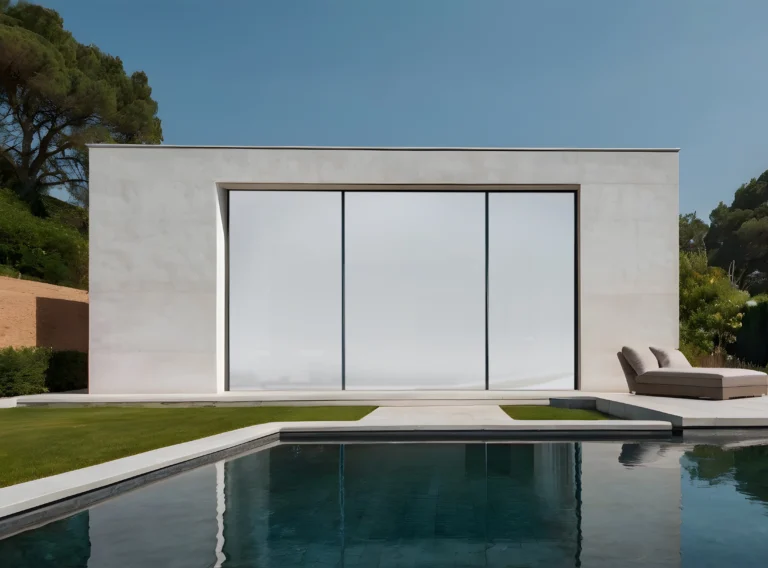
In today’s world, the demand for intelligent design that supports mental well-being has reached new heights. Smart film, traditionally known for its privacy-enhancing function, is now emerging as a powerful tool for fostering emotional balance, focus, and environmental comfort. As we move into an era where health is defined not only by the body but also by the mind, it’s time to look beyond the surface of switchable glass and explore its deeper impacts on our psychological state.
The Psychology of Controlled Environments
The environments we inhabit directly influence our mood, concentration, and cognitive performance. In spaces overloaded with visual stimuli—blinking screens, cluttered walls, bright glares—our brain works overtime to filter out distractions. This mental labor can lead to fatigue, anxiety, and reduced productivity. Smart film provides a minimalist, controllable visual environment that simplifies space and reduces this cognitive load.
When applied to office partitions, home windows, or educational spaces, smart film offers an instant sanctuary from overstimulation. By diffusing harsh lighting and eliminating visual noise, it helps create calm, clean surroundings. This supports our natural need for focus, particularly in environments where decision-making, learning, or healing takes place.
Moreover, lighting control is intrinsically tied to our circadian rhythm. With smart film, natural light can be filtered in ways that reduce blue light exposure late in the day, promoting better sleep patterns and overall well-being. The ability to modulate brightness also helps those with sensory sensitivities or mental health conditions feel more secure and grounded in their environment.
Applications in Wellness-Focused Spaces
Hospitals and therapy centers: Replace curtains with smart film to reduce bacterial spread while also providing visual tranquility to patients.
Mental health clinics: Empower patients to control their space with adjustable transparency—offering both comfort and autonomy.
Yoga studios and meditation rooms: Filter out external distractions and create a space that encourages presence, mindfulness, and serenity.
Home offices: Especially during remote work, smart film helps separate living from working zones—supporting mental compartmentalization and reducing burnout.
Cognitive Performance and Smart Film
A growing body of research highlights that mental clarity is enhanced in environments where individuals have control over sensory input. Smart film puts that control at thC user’s fingertips. Whether dimming a room before a critical task or creating visual privacy to focus, the user can actively design their cognitive landscape.
Organizations that prioritize the mental well-being of employees—by providing such customizable spaces—are also likely to see gains in morale, retention, and creativity. Smart film becomes not just an architectural upgrade, but a wellness investment.
Conclusion
Smart film technology is more than just a novel innovation—it’s a transformational leap in how we manage privacy, design, and comfort in modern environments. As cities grow smarter and living spaces become more compact, the demand for adaptable, space-saving solutions rises. Smart film offers a sleek, minimalist answer to this demand by eliminating the need for traditional blinds or curtains while still providing instant privacy at the touch of a button.
Beyond aesthetics, its energy efficiency and ability to block UV and infrared light make it a responsible and sustainable choice for both residential and commercial spaces. Offices benefit from versatile meeting rooms that can shift from open and collaborative to confidential with ease. Hospitals ensure hygiene and patient dignity without bulky curtains. Homes gain a futuristic elegance with effortless light control.
Moreover, smart film’s integration capabilities with modern smart home systems make it a future-ready solution. As automation becomes a standard rather than a luxury, smart film fits seamlessly into connected living. The convenience of voice-activated privacy, remote access, and programmable settings adds a layer of personalization and control that traditional solutions simply cannot match.
In essence, smart film isn’t just about privacy—it’s about enhancing the quality of life through intelligent design. It’s a statement of modern sophistication, technological advancement, and practical innovation. As awareness and adoption grow, smart film is set to become an integral component of the buildings of tomorrow.