


In the world of luxury architecture and interior design, trends are constantly evolving. High-end designers are always searching for materials and technologies that not only look stunning but also offer functionality, flexibility, and innovation. Recently, one technology has been gaining…

Architecture has always been a balance between aesthetics, functionality, and innovation. As buildings become more technologically advanced, architects are constantly searching for materials that allow them to design flexible, modern, and visually striking spaces. One of the most transformative technologies…

As modern architecture continues to evolve, glass has become a central element in creating open, bright, and visually appealing spaces. However, achieving privacy without compromising design has always been a challenge. This is where non-adhesive smart film stands out as…
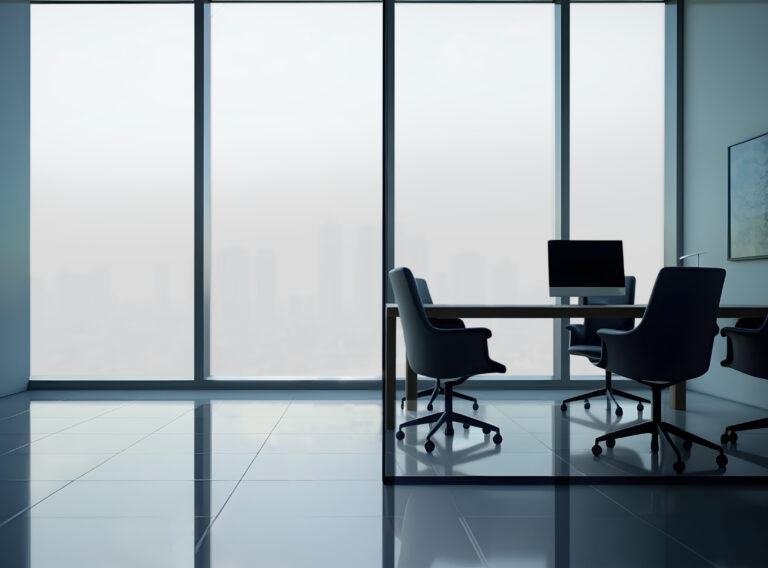
Glass has become one of the most essential elements in modern architecture. From open-plan offices and luxury residences to retail storefronts and hospitality spaces, glass enhances natural light, openness, and aesthetics. However, one major limitation has always existed: privacy control.…

Luxury spaces are defined by innovation, aesthetics, and advanced technology. Architects, interior designers, and property developers constantly seek new materials that enhance both functionality and visual appeal. One of the most innovative solutions emerging in modern architecture is black smart…

As modern architecture evolves, the demand for flexible, functional, and aesthetically pleasing solutions continues to grow. One of the most innovative technologies meeting these demands is smart film, also known as switchable privacy film. This advanced technology allows glass surfaces…

The way we work has fundamentally changed. Hybrid work is no longer a temporary shift — it has become the new standard for companies worldwide. Employees split their time between remote and in-office work, and as a result, offices are…

Glass has always been an essential element in modern architecture. It creates open spaces, allows natural light to enter buildings, and connects interior environments with the outside world. However, traditional glass has one major limitation: it cannot provide privacy without…
Modern workplaces are evolving rapidly. Offices are no longer just rows of desks and enclosed meeting rooms; they have become dynamic environments designed to encourage collaboration, productivity, and innovation. At the same time, businesses must balance openness with privacy, aesthetics…

Smart film technology is no longer positioned as an optional upgrade or a visual gimmick. It has become a functional design element that reshapes how spaces operate, adapt, and respond to real-world needs. While often associated with privacy control, the…