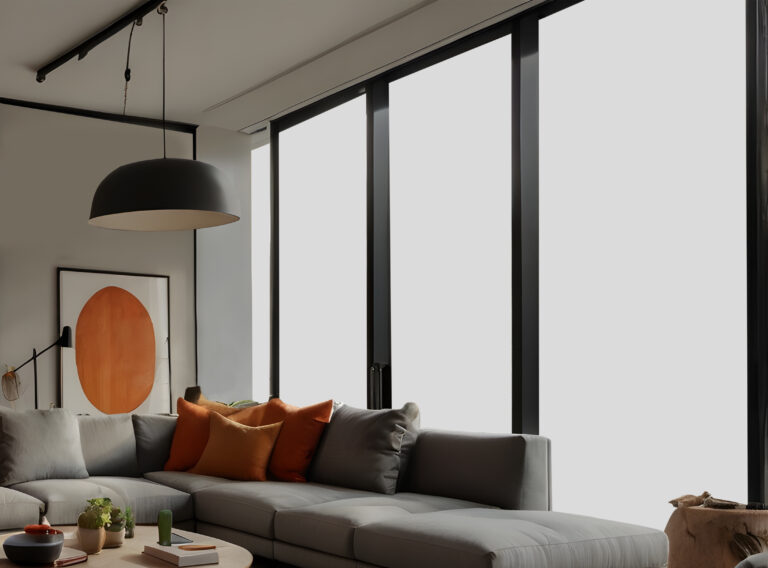
Designing Spaces That Respond: Smart Film as a Living Architectural Element
Modern architecture is no longer static. Buildings are expected to respond—to people, to light, to changing use patterns. In this context, smart film emerges not as a feature, but as a living architectural element that actively shapes how spaces behave.
Unlike traditional materials, smart film introduces responsiveness at the surface level. Glass is no longer locked into a single state. It can adapt instantly, transforming openness into privacy and light into control.
Architecture That Adjusts in Real Time
Most buildings are designed for ideal conditions that rarely exist throughout the day. Light changes, activities shift, and user needs evolve. Smart film allows architecture to adjust in real time, aligning physical space with moment-by-moment requirements.
Meeting rooms can become private instantly. Living spaces can open up without sacrificing comfort. Healthcare, hospitality, and residential environments all benefit from surfaces that respond rather than resist.
This responsiveness creates a more intuitive relationship between people and space. Instead of adapting behavior to architecture, architecture adapts to behavior.
Beyond Fixed Design Decisions
Traditional design forces permanent choices. Frosted glass, tinted panels, or opaque partitions lock spaces into a single mode. Smart film removes this rigidity. Transparency and privacy are no longer design decisions made once—they become options available at any moment.
This flexibility extends the lifespan of interiors. As needs change over time, spaces remain relevant without renovation. In long-term value terms, this adaptability is as important as aesthetics.
Intelligent surfaces enable this flexibility without visual clutter or mechanical complexity. Instead of adding walls, curtains, or dividers, designers can use glass that adapts instantly. This maintains openness while preserving the option for privacy or separation when required. As a result, spaces feel larger, cleaner, and more intentional.
A Subtle Expression of Innovation
Smart film does not announce itself loudly. There are no visible mechanisms or intrusive elements. Its presence is felt through experience rather than appearance. This subtlety is what makes it powerful in high-end environments.
Spaces equipped with responsive surfaces feel calm, intentional, and advanced. The technology supports the architecture instead of competing with it. This balance enhances perceived quality and reinforces the idea of thoughtful design.
Living Architecture as the New Standard
As expectations around comfort, privacy, and adaptability continue to rise, static environments will increasingly feel limiting. Smart film introduces a new architectural mindset—one where surfaces behave more like systems than materials.
Designing spaces that respond is no longer experimental. It is becoming a defining characteristic of future-ready architecture. In this context, smart film is not an add-on. It is part of a broader shift toward buildings that live, adapt, and evolve alongside their users.