Why Architects Are Choosing Smart Glass for Modern Design
In today’s architectural world, innovation is not just about aesthetics — it’s about functionality, sustainability, and smart integration. Architects around the globe are turning to Smart Glass technology to redefine how buildings interact with light, privacy, and energy. But what makes Smart Glass such a game changer in modern design?
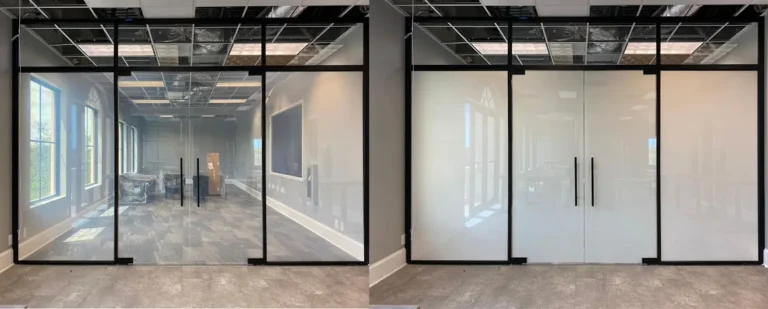
Smart Glass, also known as switchable glass, uses technologies like PDLC (Polymer Dispersed Liquid Crystal) or SPD (Suspended Particle Device) to instantly change from transparent to opaque. This allows users to control visibility and light transmission with the touch of a button, a remote, or even through automation systems.
Key Advantages for Architects
Design Flexibility – Smart Glass eliminates the need for traditional blinds or curtains, giving architects a cleaner and more minimalistic interior aesthetic.
Energy Efficiency – By reducing heat gain and improving natural light management, Smart Glass helps achieve sustainability goals and reduces HVAC costs.
Privacy on Demand – In commercial buildings, hospitals, or luxury residences, Smart Glass allows instant privacy without sacrificing design harmony.
Integration with Smart Systems – Modern architects favor Smart Glass for its compatibility with home automation systems, enabling light and privacy control via voice or mobile apps.
Applications in Modern Architecture
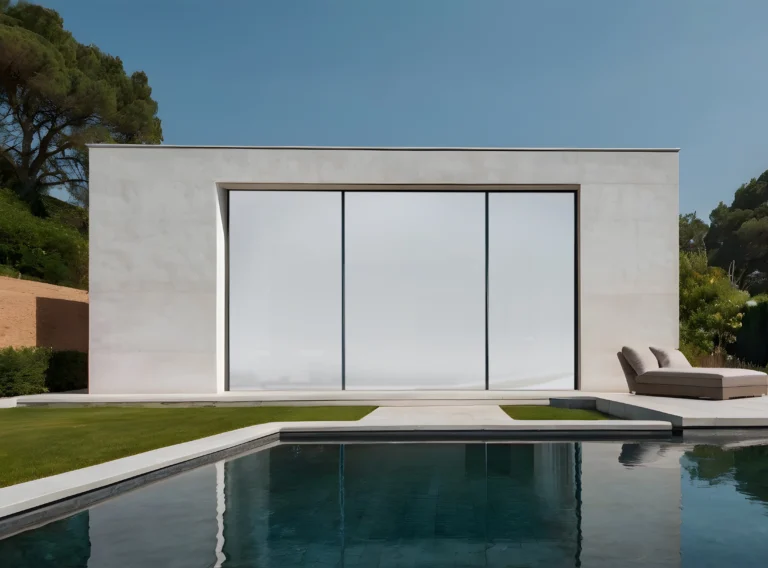
From office partitions and conference rooms to facades and skylights, Smart Glass is transforming how spaces are used. It creates dynamic environments that can shift between open and private — ideal for flexible, multifunctional spaces.
Conclusion
Architects choose Smart Glass because it combines beauty, intelligence, and sustainability. It’s not just a material — it’s a design solution that aligns with the future of architecture. 👉 Discover how VR Smart Glass can bring next-generation design solutions to your next project.